PFAS-free food packaging: what the new limits mean and what to ask for
Grease-resistant paper and moulded fibre are where PFAS have been found, compostable bowls included. Since August 2026 there are legal limits. A supplier saying "none added" is not the same as meeting them.
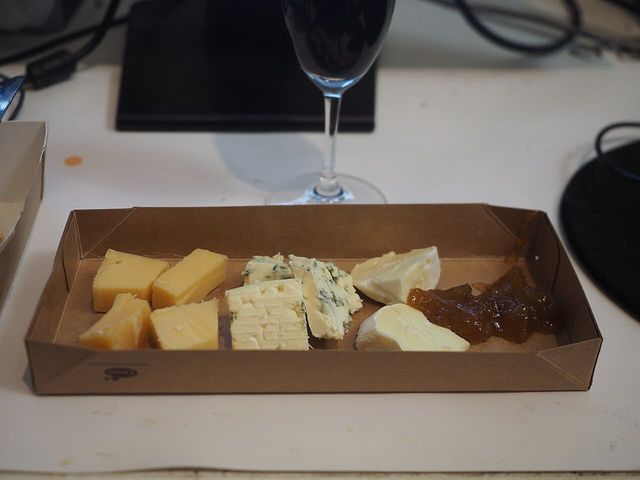
PFAS, per- and polyfluoroalkyl substances, are a large family of synthetic chemicals that repel water and grease. They are called forever chemicals because they barely break down. In packaging they turn up where paper or fibre has to hold something oily or wet: the Commission lists takeaway containers, fast-food wrappers, microwave popcorn bags, bakery paper and pizza boxes.
What the testing has found
In 2021 a group of European NGOs tested 99 disposable food packaging items bought in six countries, including Denmark, France, Germany and the Netherlands (Throwaway Packaging, Forever Chemicals). Of the 42 they sent for laboratory analysis, 32 showed intentional treatment with PFAS, and traces were found in every sample analysed, including the ones that had not been treated.
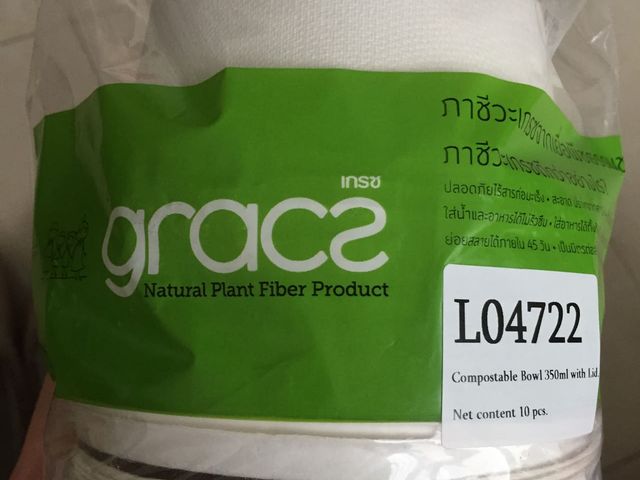
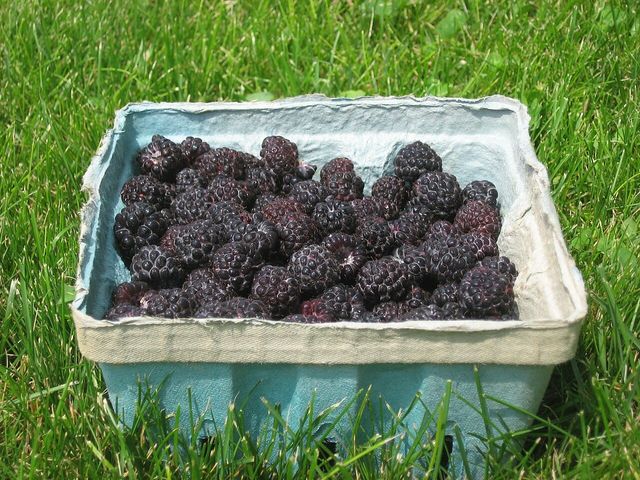
A peer-reviewed study of Canadian fast-food packaging published in 2023 in Environmental Science & Technology Letters found the highest fluorine levels of all in moulded bowls sold as compostable (University of Toronto summary). That is the uncomfortable point for this catalog: moulded fibre and bagasse are exactly the materials a buyer reaches for to get away from plastic, and grease resistance is exactly what they have to be treated to provide.
The limits that now apply
Since 12 August 2026, Article 5 of the Packaging and Packaging Waste Regulation bars food-contact packaging from the EU market if it contains PFAS at or above:
- 25 parts per billion for any single PFAS measured by targeted analysis;
- 250 parts per billion for the sum of PFAS measured that way;
- 50 parts per million for all PFAS including polymeric ones. Where total fluorine is above 50 mg/kg, the manufacturer or importer has to be able to show enforcement authorities whether that fluorine is PFAS or not.
Packaging placed on the market before that date may still be sold; anything placed on the market after it has to comply.
Why "no PFAS added" is not an answer
The limits are a measured concentration, not a statement about intent. The 2021 study found traces in untreated items, and a 2024 study of paper-making raw materials in Food Additives & Contaminants traced PFAS contamination to recycled fibre. A supplier can honestly say they add nothing and still be over a limit, which is why the useful document is a test report rather than a declaration.
What to ask for
- A laboratory report for the item, or the same material and coating, showing total fluorine, and targeted PFAS results if total fluorine is over 50 mg/kg.
- What gives the item its grease resistance instead: a dense fibre, a water-based barrier, a biopolymer lining. "Naturally grease-resistant" without a mechanism is worth a follow-up.
- Whether the fibre includes recycled content, and if so whether the test was on recycled-fibre batches.
- The test date. A change of mill, pulp or coating is a reason to test again.
On our listings, a PFAS-free or fluorochemical-free claim counts as the supplier's own until we have seen a report, and our material pillar treats an unchecked claim as worth half. If a listing says "no fluorochemical coating" and nothing else, that is the place to start the conversation.