Recyclable, compostable or reusable: which one actually happens
The three end-of-life routes are not alternatives on a spectrum. Each one needs something to exist outside your box, and only one of them is common across Europe.
A claim about end of life is a claim about infrastructure, not about the material. Your packaging is compostable if there is a bin for it where your customer lives, and recyclable if the sorting plant there can pick it out. The same pouch is either, or neither, depending on the address it lands at. This is why our score treats a route that is not available in the buyer's country as worth half, and why every listing says which countries its routes work in.
Reusable, where the logistics already exist
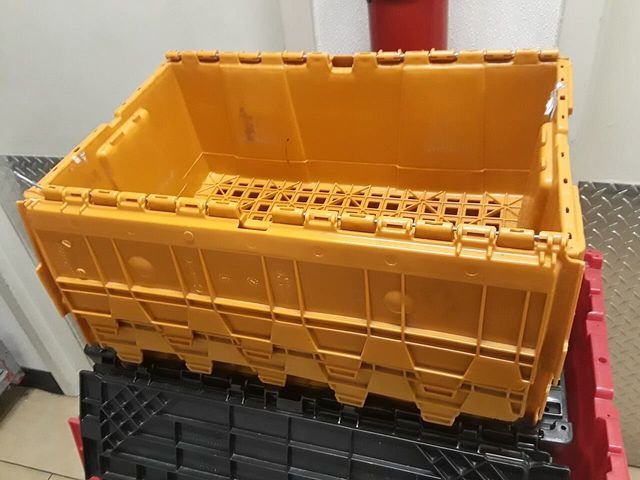
Reuse scores highest, and it is the hardest to retrofit. It works when packaging travels a loop you already control: between your own sites, out to a trade customer and back on the next delivery, or through a pooled crate scheme that someone else runs. Each trip divides the material over another delivery, so a crate used thirty times is doing something no single-use item can match however it is made.
It works badly when the loop depends on a consumer posting something back for nothing in return. Return rates on consumer schemes are the whole business case, and the ones that work pay for the return or make it automatic.
Recyclable, the only route that is close to universal
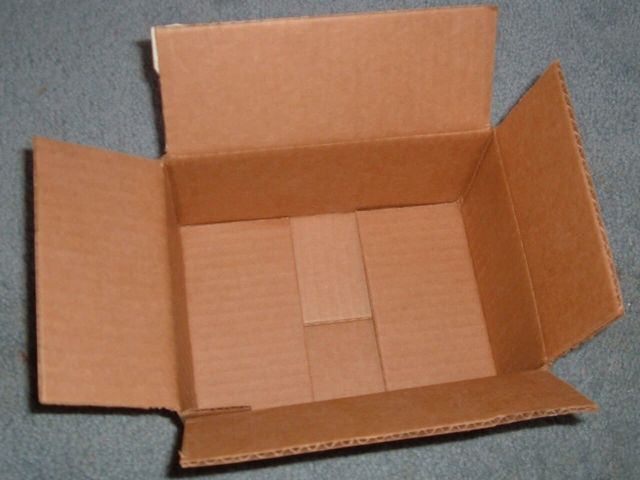
Paper and board are collected almost everywhere in Europe, and a plain kraft box with a paper tape is the one combination you can send anywhere without thinking about it. That is an unglamorous answer and usually the right one.
What breaks it is mixing. A paper item with a plastic window, a foil liner or a plastic-lined coating is not paper to a sorting plant, and it may be nothing to it: mixed-material items are the ones that fall out of the stream. This is why our material pillar gives credit for a single-material item and why monolayer pouches are worth asking about even when a laminate is cheaper.
- Board and paper, uncoated or with a water-based coating: collected in every country we list.
- Monolayer polyethylene, such as a recycled LDPE mailing bag: collected in some countries, and usually at a shop rather than at the kerb.
- A laminate of paper and plastic, or a metallised film: effectively not recyclable anywhere today.
Compostable, which means two quite different things
Industrial composting needs a facility that takes packaging, and most municipal food-waste streams do not: packaging arrives as a contaminant and is screened out. Home compostable is a stricter certification and a much more useful one, because the infrastructure is a bin in someone's garden.
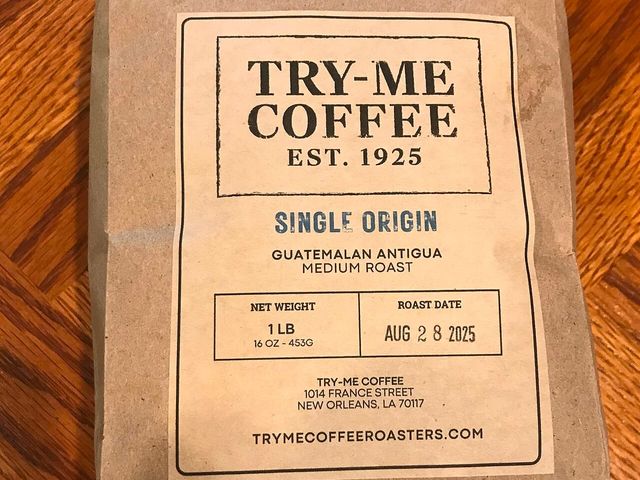
Both are worth less than they sound for a shipping box and much more than they sound for something that leaves covered in food. A bagasse bowl with sauce in it was never going to be recycled; a coffee pouch with grounds in it was never going to be either. That is where compostable earns its place.
How to choose, in order
- Can this travel a loop you already run? Use reuse, and count the trips.
- Will it arrive clean and be put in a household bin? Use paper or board, single material, and keep the tape and labels the same material.
- Will it arrive dirty or wet? Look at home compostable first and industrial second, and check the country.
- Does it have to be plastic for barrier or weight? Use one polymer rather than a laminate, with as much recycled content as the application allows.
Filter the catalog by the route you have decided on and by the country you ship to, and you will see only the listings where that route actually exists. How we score explains what each route is worth and why an unchecked claim counts half.