Bio-based, biodegradable, compostable: three claims that are not the same
A plant-based plastic can be impossible to compost, and a compostable one can be made from oil. What each word means, what the EU says about it, and which one is worth paying for.
These three words are used as if they were one, and each answers a different question. Bio-based is about where the material came from. Biodegradable is about whether microorganisms can break it down, somewhere, eventually. Compostable is about whether it breaks down in a composting process within a set time, leaving nothing harmful. The European Commission's policy framework on these plastics (COM(2022) 682) sets out how it thinks each should be used and claimed. It is guidance rather than law, but the law has been catching up with it.
Bio-based says nothing about end of life
A bio-based plastic is made wholly or partly from plants rather than oil. That can be a real gain when the feedstock is a residue rather than a crop grown for the purpose, but it is a claim about the start of the item's life only. Bio-based polyethylene behaves exactly like the fossil kind: it is recyclable where polyethylene is and does not compost.
The framework notes there is no mandatory minimum bio-based share and no agreed certification scheme for calling a plastic bio-based, and recommends stating the actual share. Ask for the percentage and what the feedstock was.
Biodegradable on its own means very little
Almost everything biodegrades given enough time and the right conditions. The Commission's framework says a biodegradable claim should state the environment it degrades in and how long it takes, in weeks, months or years, and should not be made at all for items likely to be littered, because it encourages exactly that. Under the EU's new consumer rules, "biodegradable" on its own is one of the named examples of a generic environmental claim that is banned without proof of excellent performance.
Compostable is the one with a standard
For packaging, industrial compostability is tested against EN 13432, which the framework names as the European standard for industrially compostable packaging. The certification marks you will meet on datasheets, such as OK Compost Industrial, test against it. There is no European standard yet for home composting, where conditions vary far more; the Packaging and Packaging Waste Regulation provides for one to be developed. Until then, home-compostable marks are private certification schemes, which is why the certificate and its test conditions matter.
The regulation is also specific about where compostable is the expected choice. By 12 February 2028, permeable tea and coffee bags, soft single-serve coffee pads and sticky labels on fruit and vegetables must be compostable in industrial conditions (Article 9), because they end up in food waste anyway. Member States may also require it for lightweight plastic carrier bags.
Which to pay for
- Pay for compostable where the packaging will leave dirty and go in food waste, and only where the buyer's region collects compostable packaging in that stream. Check the country, as our listings do.
- Treat bio-based as a carbon and sourcing question, to weigh with the rest of the item's footprint, not as an end-of-life answer.
- Treat biodegradable without a stated environment and timeframe as no claim at all.
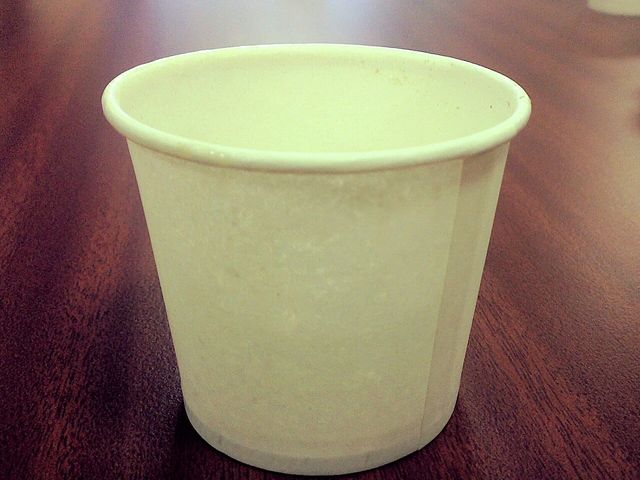
- A plastic-lined paper item such as a PLA-lined cup is a composite. It needs an industrial composting route to be anything but residual waste, and from 2030 paper-based packaging with 5% or more plastic counts as plastic for the regulation's single-use bans.
Our end-of-life pillar scores a route only where it exists in the buyer's country, and counts home compostable above industrial because more people can reach it. Recyclable, compostable or reusable goes through the routes in more detail.