The EU packaging regulation: what changes for buyers, and when
The PPWR has applied since 12 August 2026, but most of what it asks of buyers arrives in 2028 and 2030. Here is the timeline, from the text of the regulation, and what to ask a supplier now.
The Packaging and Packaging Waste Regulation, Regulation (EU) 2025/40, replaced a directive that each country wrote into its own law with one set of rules that applies directly everywhere in the EU. It entered into force in February 2025 and has applied since 12 August 2026. That date is easy to read as "everything changes now", and it is not: the Commission's own announcement says the measures that cut waste, such as limits on empty space, restrictions on some single-use plastic and reuse targets, apply from 2030.
What follows is the part that touches a business buying packaging, with the article to look up. It is a reading of the regulation, not legal advice, and some of it waits on implementing acts the Commission has still to adopt.
Already in force: PFAS in food-contact packaging
Since 12 August 2026, food-contact packaging cannot be placed on the market if it contains PFAS above fixed limits (Article 5). This is the one change that is live today, and the limits are a measured concentration rather than a promise not to add anything, so it is worth its own guide: PFAS-free food packaging.
2028: one sorting label across the EU
From 12 August 2028, or two years after the Commission's implementing act if that comes later, packaging must carry a harmonised label showing its material composition so people can sort it (Article 12), and bins will carry matching labels. If you print your own packaging, the label is a redesign to plan for. If you buy stock items, ask your supplier when theirs will change.
2030: the year most of it arrives
- Recyclability. All packaging must be recyclable, and from 2030 recyclability is graded A, B or C against design-for-recycling criteria (Article 6). Packaging below grade C cannot be sold; from 2038 the floor rises to grade B. From 2035 the test adds whether the material is actually recycled at scale, not only whether it could be.
- Recycled content in plastic. From 1 January 2030 the plastic parts of packaging need a minimum share of post-consumer recycled plastic (Article 7): 30% for contact-sensitive PET packaging, 10% for other contact-sensitive plastic, 30% for single-use drinks bottles and 35% for everything else. The figures rise in 2040 to 50%, 25%, 65% and 65%. Note post-consumer: factory offcuts do not count, which is the distinction our guide on recycled content is about.
- Empty space. Whoever fills grouped, transport or e-commerce packaging must keep the empty space ratio to 50% at most (Article 24), and paper fill, air pillows and foam chips all count as empty space. The calculation method is due in an implementing act by February 2028.
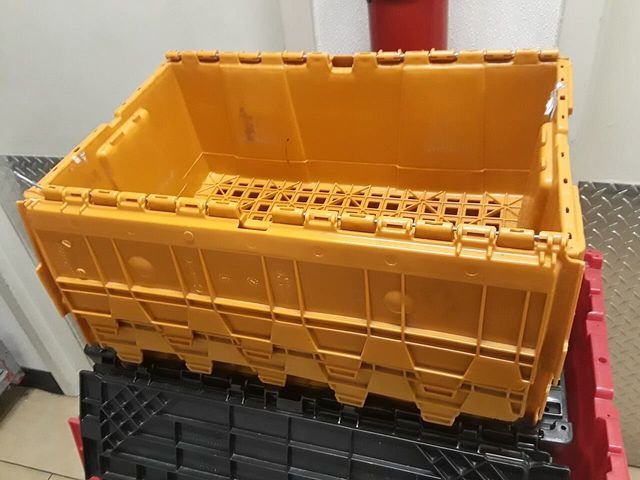
- Reuse in transport. At least 40% of transport packaging such as pallets, crates, trays, plastic boxes, drums and pallet wrap used within the EU must be reusable within a re-use system (Article 29). Deliveries to another business in the same country must use reusable packaging for those formats. Cardboard boxes are exempted.
- Banned single-use plastic formats (Article 25 and Annex V): among them, plastic packaging for less than 1.5 kg of fresh fruit and vegetables, and single-use plastic for food and drink served and eaten on the premises in hospitality. The Commission's guidance notice reads paper-based packaging with 5% or more plastic as covered by these bans, so a plastic-lined paper item is not an automatic way round them.
What to ask a supplier now
- For food contact: a test report against the Article 5 PFAS limits, not a declaration.
- For plastic: the post-consumer recycled share, and whether it is on track for the 2030 minimum.
- For anything you will keep buying past 2030: what recyclability grade they expect it to get, and whether it is a single material.
- For transport packaging moving between your own sites or trade customers: whether a reusable version exists, because for many formats it will be required.
Our score already rewards most of this: single-material items, post-consumer content, reuse and a route that exists in the buyer's country. How we score sets out the weights.